
Car Driving 2025 : School Game
Pocket Apex StudioRole Playing
0.00.00 Reviews
- Version
- 5.0.2
- Installs
- 5.00M
- Age Rating
- Everyone
Screenshots
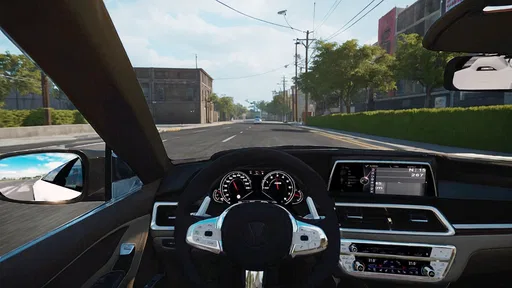
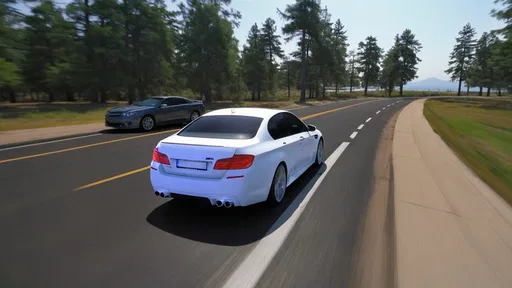
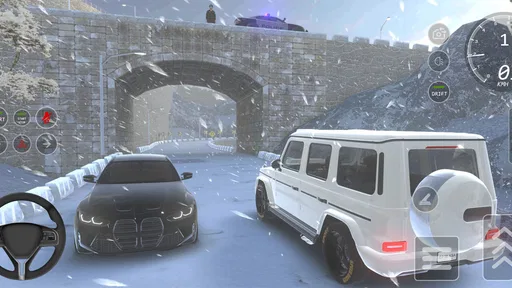
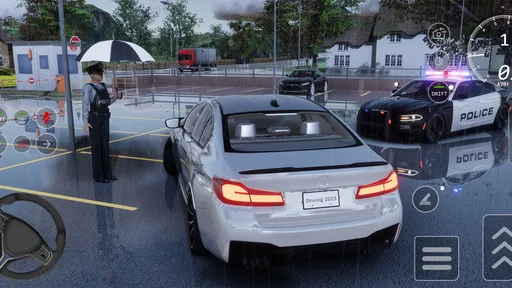
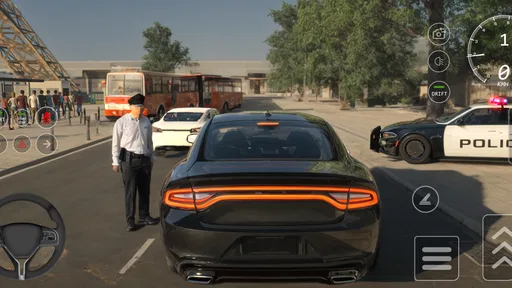
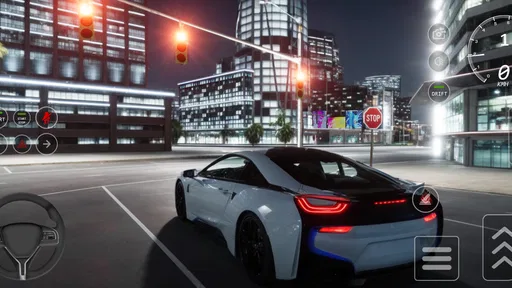
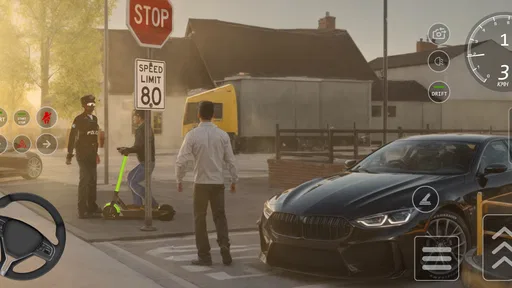
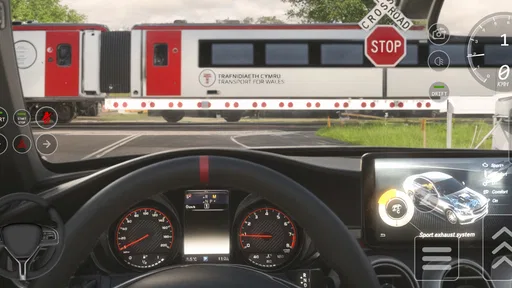
Our Review of Car Driving 2025 : School Game
 Analysis by Appyee
I spent time with Car Driving 2025: School Game as a role-playing driving game, and my first impression was straightforward: it wants to make careful car control feel like a game rather than a dry lesson. The focus is realistic driving, school-style parking challenges, and an online mode built around the drive zone idea. That combination gives it a more practical feel than a typical arcade racer, although it also means the experience depends heavily on whether you enjoy repetition, correction, and gradual improvement.
The game is free to start, is suitable for Everyone, and comes from Pocket Apex Studio. It has passed the five-million-install mark, which suggests that the basic idea has reached a sizeable audience. It runs on Android eight or later, and the current release is version 5.0.2. Those details matter because this is not presented as a tiny experimental driving toy; it is an established mobile game that people can pick up without paying an entry fee.
From an appealing first week to a tougher long-term test
I found the early appeal in the small, satisfying challenge of lining up a car and correcting its position, but that novelty eventually gives way to a more personal question: do I enjoy practicing the same kind of control over time? I’ll look at where the game’s free access offers genuine value, where optional spending deserves caution, and which players are most likely to keep coming back.
Why the opening sessions are easy to enjoy
During the first week, the strongest part of the game is the simple satisfaction of getting a car into the right place. Parking sounds ordinary until a game asks you to approach a space at the correct angle, slow down without losing control, and avoid turning too early. That small sequence creates a useful rhythm: observe, steer, adjust, and try again. I found that more engaging than simply holding an accelerator button through a circuit.
The school-game framing helps give the driving a purpose. Instead of treating every road as a race, the game encourages attention to positioning and control. That makes it a reasonable choice for someone who likes vehicle games but is tired of constant speed contests. It also gives casual players a clear activity for a short session: complete a parking task, practice a maneuver, or spend time in the driving area without needing to follow a large story.
The online drive-zone angle adds another reason to return early on. Even when I was not chasing a specific objective, the idea of sharing a driving space makes the game feel less like a collection of isolated tests. It can be enjoyable to use the area as a place to practice rather than treating every minute as a performance. For a new player, that freedom makes the first few sessions feel less demanding.
My most useful early tip is to resist the temptation to make every correction with a large steering movement. Parking becomes much easier when I use small adjustments and allow the vehicle to settle before turning again. This is not a flashy technique, but it prevents the common mobile-driving problem where one correction creates another. Players who learn that habit early will probably get more from the game than players who simply repeat attempts while moving too quickly.
Controls decide whether the novelty survives
Driving games on a phone always involve a compromise between convenience and precision. A touchscreen can make steering accessible, but it does not provide the physical feedback of a controller or a real wheel. In this game, that compromise is especially noticeable during parking because tiny changes matter more than speed. I recommend beginning with a relaxed grip and using the least aggressive input that still changes the car’s direction.
This also affects the choice of player. If you want immediate, dramatic action, the school-driving structure may feel slow. If you enjoy learning a route and repeating a maneuver until it feels natural, the same structure becomes the main attraction. The game is not at its best when judged only by how much excitement it delivers in the first minute. Its appeal comes from making ordinary driving actions just difficult enough to reward patience.
A realistic everyday use case is a short evening break. I can imagine opening it after work, completing a few parking attempts, and stopping once concentration starts to drop. That kind of session works because the game does not need to become a full-night commitment. It gives a player a small, recognizable task and enough room to improve without requiring a long uninterrupted story.
What changes after the first month
The month-to-month question is more demanding: does the game offer a reason to return once the basic controls and parking routine are familiar? My answer is qualified. The online drive-zone concept can provide recurring value for players who enjoy free driving and social activity, while the school challenges can remain useful for people who treat them as practice. However, the long-term pull depends less on discovery and more on personal tolerance for repeating similar driving decisions.
That is an important distinction. A player who enjoys mastering a precise approach may continue playing for a long time, because every failed parking attempt points toward a specific improvement. Someone looking for a steady stream of new characters, dramatic missions, or major changes in gameplay may find the routine less satisfying after the early novelty fades. The role-playing label does not automatically make this a story-led adventure; the driving practice remains the central reason to stay.
I would use the game in two different ways. First, I would play it as a skill loop: choose a difficult parking situation, focus on clean steering, and repeat until the movement feels controlled. Second, I would use the drive zone as a relaxed space when I wanted to handle a car without the pressure of a race. Mixing those purposes helps prevent the experience from becoming a checklist. If I only chase completion, the repetition becomes more obvious.
Another non-obvious trade-off is that realism can increase both satisfaction and friction. A careful turn feels earned because the game asks for restraint, but a small mistake can also interrupt an otherwise good attempt. That makes the title better for deliberate players than for people who want forgiving controls. Before deciding whether it deserves a permanent place on a phone, I would ask myself whether correcting the same maneuver several times sounds rewarding or annoying.
The cost of keeping it installed
Because the game is free, the financial barrier is low. It includes optional in-app purchases priced from ninety-nine cents to eighty-four dollars and ninety-nine cents per item, so I would approach the purchase system with a clear personal limit. A free download is useful for testing whether the driving style suits you, but it does not mean every part of the experience will feel equally comfortable without spending.
My advice is to play enough of the basic loop before considering any purchase. The important question is not whether an optional item looks attractive in the moment; it is whether it improves a problem you genuinely have. If I am still unsure whether I enjoy parking practice, buying something will not solve that uncertainty. The strongest reason to spend would be a confirmed improvement to a play style I already use regularly, not the hope that payment will create lasting interest.
There is also a maintenance burden in the broader sense. A driving game needs regular attention from the player because skill fades when controls are left untouched. Returning after a long break may require a few gentle practice attempts before the steering feels familiar again. I see that as a manageable burden, but it means the game rewards habit more than occasional intense sessions. Ten focused minutes can be more useful than a long, frustrated session once every few weeks.
Version 5.0.2 gives the game a current point of reference, and Android users need at least version eight of the operating system to run it. For someone using an older phone or an older Android setup, compatibility should be checked before planning to make it a regular game. For everyone else, the more relevant maintenance question is personal: will you return for practice, or will the first-week curiosity be enough?
Where fatigue starts to appear
The biggest source of fatigue is repetition without a personal goal. Parking challenges can be satisfying when I am improving a specific weakness, such as entering too sharply or stopping too far from the intended position. They feel less meaningful when I repeat them simply because there is nothing else I want to do. This is why I would avoid treating every available activity as mandatory progress.
Another tiring element is the gap between what feels realistic and what feels convenient on a touchscreen. Realistic handling can make a successful maneuver more rewarding, but it can also make a minor input error feel disproportionate. Players who usually prefer arcade handling may interpret that as sluggishness or unnecessary difficulty. Players who like simulation-style control may see the same friction as the point of the exercise.
The online component can also shape the experience in different ways. A shared driving area sounds more appealing when I want a sense of presence, but it may not replace structured goals for someone who needs a clear objective every time they play. I would not choose this game solely for online activity if my main expectation were a deep competitive system. The drive zone is more convincing as an additional reason to return than as the entire foundation of long-term motivation.
There is a practical fatigue issue too: mobile driving requires attention. I would not play while distracted, walking, or trying to fill every spare second. The game works better when I can look at the screen and make controlled inputs. That makes it less suitable than a simple idle game for background use. Its best sessions require enough concentration to notice positioning rather than merely tapping through tasks.
Who will keep using it, and who should skip it
I think the game is a good fit for players who enjoy cars, want parking practice in a game format, or like the satisfaction of improving small movements. It also suits people who prefer a free-roaming driving space over a pure race ladder. The Everyone rating makes it approachable for a broad audience, but age suitability does not tell you whether the style will match your patience. The real dividing line is not age; it is whether you enjoy controlled repetition.
I would recommend skipping it if your ideal car game is built around constant overtaking, spectacular crashes, or a strong narrative campaign. It is also a weak match for anyone who dislikes touchscreen steering and does not want to spend time learning how the car responds. A conventional arcade racer will probably provide quicker excitement, while a more dedicated simulator may offer deeper vehicle detail for players with specialist expectations.
Compared with those alternatives, this game sits in a middle position. It is more purposeful than a casual racing game because parking and driving discipline matter, but it remains easier to pick up than a demanding full simulator. That balance is its clearest identity. It will not satisfy every kind of driving fan, yet it can be a useful compromise for someone who wants realistic flavor without turning the phone into a technical cockpit.
My long-term verdict
After the novelty fades, Car Driving 2025: School Game earns lasting space only when the player creates a reason to practice. Its strongest recurring value comes from the combination of school-style parking and the online drive zone: one gives structure, the other gives room to drive more freely. I like that the game can support both focused improvement and relaxed sessions, but I also recognize that neither mode will feel endlessly fresh to everyone.
My preferred routine would be simple. I would use short sessions, choose one driving skill to improve, and stop before frustration turns practice into a chore. I would also treat optional purchases cautiously and decide only after the free experience has proved that the game belongs in my regular rotation. That workflow makes the title feel more sustainable than opening it without a purpose and expecting constant new excitement.
For a free role-playing driving game from Pocket Apex Studio, it offers a clear and approachable idea: learn to handle a car, work through parking situations, and spend time in a shared driving environment. Its limitations are equally clear. It can become repetitive, touchscreen precision can test patience, and players seeking a rich campaign or nonstop racing should look elsewhere.
My final recommendation is therefore positive but selective. If you want a car game that rewards calm steering and gives you something practical to practice, it is worth trying. If you need dramatic variety to maintain interest, the first week may be the best part. The lasting value is not in endless novelty; it is in whether careful driving itself remains satisfying to you.
Verdict
Strengths of Car Driving 2025 : School Game
- Realistic traffic rules make practice sessions feel more authentic.
- Different vehicles offer varied handling and driving experiences.
- Short lessons are convenient for quick gaming sessions.
- Clear road layouts help beginners learn basic navigation.
- Offline play is useful when you have no internet connection.
Limitations of Car Driving 2025 : School Game
- Some levels may feel repetitive after extended play.
- Vehicle controls can take time to master on smaller screens.
- Ads may interrupt gameplay between lessons or attempts.
- Advanced driving challenges may be limited for experienced players.
- Performance can vary on older phones and budget devices.
Similar Picks in This Category
View All
Hair Dye
CrazyLabs LTD4.4

Monster High™ Beauty Salon
CrazyLabs LTD4.5

Bus Simulator - Bus Games 3D
Jima Apps4.4

Flight Pilot: 3D Simulator
Wildlife Studios4.1


Super Stylist Fashion Makeover
CrazyLabs LTD4.4
Frequently Asked Questions
What is Car Driving 2025: School Game?
Car Driving 2025: School Game is a mobile driving simulator focused on learning and practicing basic road skills. Players can drive through school-style lessons, complete different challenges, follow traffic rules, and improve their control of the vehicle. It is designed more as a casual training and driving experience than as a realistic professional driving course.
Is Car Driving 2025: School Game suitable for beginners?
Yes, the game is mainly aimed at beginners and casual players who want an easy introduction to driving mechanics. Its school-themed structure makes it possible to practice steering, acceleration, braking, parking, and general vehicle control at a comfortable pace. However, players should remember that the controls and rules are simplified and cannot replace real driving lessons.
Can I play Car Driving 2025: School Game offline?
The game may support offline play for its main driving activities, which is useful when you do not have a stable internet connection. Nevertheless, some features can depend on connectivity, including advertisements, optional rewards, updates, or promotional content. Availability may also vary according to the version installed, so checking the store description and testing the game after installation is recommended.
Does Car Driving 2025: School Game contain advertisements or in-app purchases?
Like many free-to-download mobile driving games, Car Driving 2025: School Game may include advertising, particularly between levels or after completing activities. Depending on the version, it may also offer optional purchases connected with vehicles, upgrades, rewards, or ad removal. Before downloading, review the Google Play or App Store listing and check the purchase settings if children will be using the app.
What devices are compatible with Car Driving 2025: School Game?
Compatibility depends on the specific Android or iOS release, operating-system version, and the developer’s current requirements. A device with enough free storage and reasonable graphics performance should provide a smoother experience, especially during busy driving scenes. Before installing, open the official store page to confirm supported devices, required permissions, download size, and whether your phone or tablet meets the latest requirements.
Play our best games!


